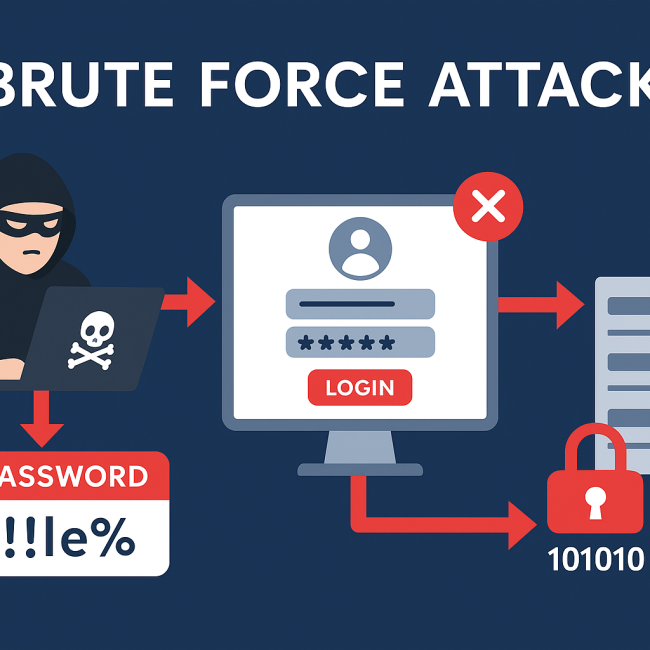
The increasing digitization of global economies and societies has brought significant advancements and opportunities. However, it has also introduced new risks and challenges, particularly in cybersecurity. One of the notable challenges faced by Internet Service Providers (ISPs) and telecom companies is IP blacklisting. IP blacklisting can disrupt services, tarnish reputations, and lead to loss of customer trust. This article delves into the concept of IP blacklisting, its implications for ISPs and telecom companies, and explores effective anti-IP blacklisting solutions to mitigate these risks.
Understanding IP Blacklisting
IP blacklisting is a process where an IP address is blocked from accessing certain networks, websites, or services. This can occur when an IP address is identified as a source of spam, malware, or other malicious activities. Blacklists are maintained by various entities, including security firms, ISPs, and website administrators, to protect their networks from potential threats.
Types of Blacklists:
- DNS Blacklists (DNSBLs): These are real-time databases used primarily to block spam by listing IP addresses that have sent spam emails.
- URI Blacklists: These lists block URLs or domain names associated with malicious activities.
- IP Blacklists: These lists specifically block IP addresses involved in malicious activities such as DDoS attacks, hacking attempts, or the distribution of malware.
Impact of IP Blacklisting on ISPs and Telecom Companies
For ISPs and telecom companies, IP blacklisting can have severe repercussions:
- Service Disruption: Blacklisted IP addresses can lead to service interruptions, preventing legitimate users from accessing essential services.
- Reputation Damage: Frequent blacklisting can damage the reputation of ISPs and telecom companies, making them appear unreliable or insecure.
- Customer Trust: Customers expect seamless and secure internet services. Recurrent issues with IP blacklisting can erode customer trust and lead to customer churn.
- Operational Costs: Resolving blacklisting issues involves time, resources, and potentially additional costs for both technical solutions and customer support.
Anti-IP Blacklisting Solutions
To combat the challenges posed by IP blacklisting, ISPs and telecom companies can adopt a multi-faceted approach, combining technological solutions, best practices, and proactive measures.
1. Proactive Monitoring and Filtering
Real-time Monitoring: Implement real-time monitoring systems to continuously track network traffic and identify suspicious activities. This can help in early detection and mitigation of threats before they lead to blacklisting.
Advanced Filtering: Deploy advanced filtering technologies to scrutinize outgoing traffic and ensure that malicious activities, such as spam or malware distribution, are blocked at the source.
2. Implementing Anti-Spam Measures
Spam Filtering Solutions: Utilize robust spam filtering solutions to prevent the transmission of spam emails from your network. This can significantly reduce the likelihood of your IP addresses being blacklisted.
Outbound Email Policies: Establish strict outbound email policies to ensure that only legitimate emails are sent through your network. This can involve setting up authentication mechanisms like SPF, DKIM, and DMARC.
3. DDoS Protection and Mitigation
DDoS Protection Services: Invest in DDoS protection services that can detect and mitigate DDoS attacks in real time. These services often include traffic scrubbing, rate limiting, and other techniques to handle large volumes of malicious traffic.
Traffic Analysis Tools: Use advanced traffic analysis tools to differentiate between legitimate and malicious traffic. This can help in taking prompt actions to block malicious traffic before it impacts your network.
4. Security Awareness and Training
Employee Training: Regularly train your employees on the latest cybersecurity threats and best practices. This can include recognizing phishing attempts, following secure protocols, and responding to potential security incidents.
Customer Education: Educate your customers about safe internet practices, such as using strong passwords, avoiding suspicious links, and keeping their devices updated with the latest security patches.
5. Collaborative Efforts and Information Sharing
Industry Collaboration: Collaborate with other ISPs, telecom companies, and cybersecurity organizations to share information about emerging threats and effective countermeasures. This collective approach can enhance your defensive capabilities.
Threat Intelligence Sharing: Participate in threat intelligence sharing platforms to stay updated on the latest threat landscapes. This can help in quickly adapting your security measures to counter new threats.
6. IP Address Management
Dynamic IP Allocation: Implement dynamic IP allocation to minimize the impact of blacklisting on your customers. By frequently changing IP addresses, you can reduce the risk of a large number of users being affected by a single blacklisted IP.
IP Reputation Management: Utilize IP reputation management services that provide insights into the reputation of your IP addresses. This can help in proactively identifying and addressing any issues before they lead to blacklisting.
7. Incident Response and Remediation
Rapid Response Teams: Establish dedicated incident response teams that can quickly address and resolve blacklisting issues. This involves identifying the root cause, implementing corrective measures, and communicating with blacklist maintainers to delist your IP addresses.
Automated Remediation Tools: Use automated tools to streamline the remediation process. These tools can help in identifying the affected IP addresses, determining the cause of blacklisting, and submitting delisting requests.
Case Studies: Successful Anti-IP Blacklisting Strategies
Case Study 1: Large ISP in North America
A large ISP in North America faced recurrent IP blacklisting issues due to spam emails originating from compromised customer accounts. By implementing advanced spam filtering solutions, enhancing outbound email policies, and providing regular security training to customers, the ISP significantly reduced spam-related blacklisting incidents. Additionally, the ISP invested in real-time monitoring systems to quickly detect and mitigate any suspicious activities. As a result, the ISP experienced a notable improvement in service reliability and customer satisfaction.
Case Study 2: Telecom Company in Europe
A European telecom company experienced frequent DDoS attacks, leading to IP blacklisting and service disruptions. The company adopted a comprehensive DDoS protection solution that included traffic analysis, rate limiting, and traffic scrubbing. They also collaborated with other telecom companies and cybersecurity organizations to share threat intelligence and best practices. By implementing these measures, the telecom company successfully mitigated DDoS attacks, reduced IP blacklisting incidents, and enhanced the overall security of their network.
Future Trends and Innovations
As cybersecurity threats continue to evolve, ISPs and telecom companies must stay ahead by adopting innovative solutions and staying informed about emerging trends:
Artificial Intelligence (AI) and Machine Learning (ML): AI and ML technologies are increasingly being used to enhance threat detection and response capabilities. These technologies can analyze vast amounts of data in real time, identify patterns, and predict potential threats before they materialize.
Blockchain Technology: Blockchain technology can provide a decentralized and secure approach to managing IP addresses and reputation data. This can help in preventing malicious activities and ensuring the integrity of IP address management systems.
Zero Trust Security Models: The Zero Trust security model, which operates on the principle of “never trust, always verify,” can provide an additional layer of security. By continuously verifying the identity and integrity of users and devices, ISPs and telecom companies can prevent unauthorized access and mitigate the risk of IP blacklisting.
Conclusion
IP blacklisting poses significant challenges for ISPs and telecom companies, impacting service reliability, reputation, and customer trust. However, by adopting a comprehensive approach that includes proactive monitoring, advanced filtering, anti-spam measures, DDoS protection, security awareness, industry collaboration, IP address management, and rapid incident response, these organizations can effectively mitigate the risks associated with IP blacklisting. By staying informed about emerging trends and innovations, ISPs, and telecom companies can continue to enhance their cybersecurity posture and ensure the delivery of secure and reliable internet services to their customers.